Painted-over wallpaper blocks moisture and fights scrapers. Learn to strip it in stages, spot drywall and plaster damage limits, and know when to stop.
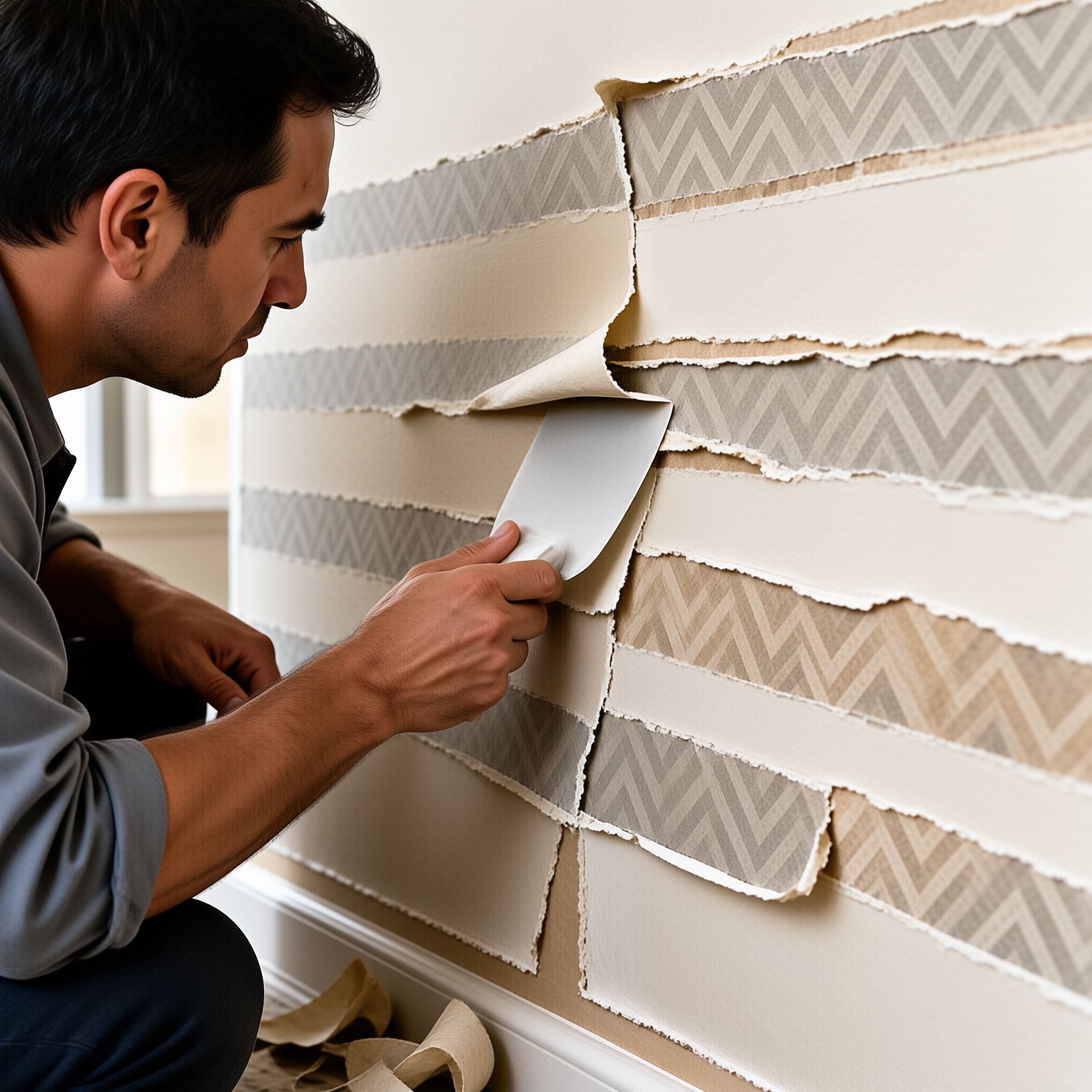
Knowing how to remove painted wallpaper starts with one idea: the paint film, not the paper, is what you have to defeat first. Open that sealed surface just enough for moisture to reach the adhesive, give it time to dwell, then lift the paper in small sections. On drywall, patience protects the wall far better than any scraper.
In practice, the job goes faster when you stop treating the wall as one large surface. Small working areas, repeated short wettings, and a shallow scraper angle do more than strength ever will. The sections below cover substrate checks, tool choices, layer sequencing, and the stop points where repair or professional help beats more scraping.
Key Takeaways
Paint seals the wallpaper surface, so moisture cannot reach the adhesive until you open the film with shallow scoring or another controlled method.
Identify drywall, plaster, or another substrate and run a small water test before committing to full removal.
Remove multi-layer painted wallpaper one layer at a time, re-wetting between layers instead of pressing harder.
In pre-1978 buildings, treat painted surfaces as potential lead paint and follow lead-safe practices before any disturbance.
If removal starts destroying the substrate, stop and compare repair, skim coating, lining paper, or professional remediation.
What Makes Painted-Over Wallpaper Difficult to Remove?
Wallpaper adhesive releases when water reaches it. Paint breaks that chain. A cured paint film is far less absorbent than bare paper, so moisture beads on the surface while the paste behind it stays hard. Vinyl-faced papers and multi-layer installs add a second moisture barrier on top of the first.
The early signs are easy to misread. A corner may lift cleanly, then the sheet tears into palm-sized strips. Scraping harder feels productive, yet it usually strips the drywall facing instead of the paper. Removing wallpaper that has been painted over is a moisture problem before it is a scraping problem.
Adhesive age matters too. Old starch-based pastes can turn brittle and chalky, while some modern adhesives stay slightly tacky for years.
Both resist a single wetting. Both respond better to repeated short dwells than to one heavy soak.
A paint film does not bond wallpaper more firmly; it blocks the water that would otherwise release the paste.
First, Identify the Wall Substrate and Test a Small Area
Before buying tools, know what the paper is sitting on. Drywall, plaster on lath, and plasterboard behave differently under moisture. Note loose edges, bubbles, hairline cracks, and any visible step that suggests more than one layer.
Lift a loose edge with a plastic scraper. If it releases cleanly, start there and skip moisture entirely for that section. If it holds firm, move to a small test patch instead of forcing the corner.
Wet an inconspicuous patch with warm water and watch for two things: whether the paint film absorbs or rejects the water, and whether the paper softens within a few minutes. Stop the test if the drywall facing fuzzes, plaster crumbles, or the paint looks like a thick, older coating. For substrates outside standard drywall, our surface preparation guide for difficult substrates covers brick, concrete, and paneling.
Tools and Surface-Opening Methods That Limit Damage
Wallpaper scoring tool, used with light pressure and a flat hand
Flexible plastic scraper or wide putty knife for drywall
Firmer scraper reserved for sound plaster only
Spray bottle, sponge, and a bucket of warm water
Gel or liquid wallpaper remover for stubborn adhesive
Wallpaper steamer, optional and always tested first
Drop cloths, gloves, and eye protection
A scoring tool is the most misused item on that list. The teeth are meant to pierce the paint film, not the wall. Pressing hard turns a perforation into a groove that fills with water and swells, and that damage shows through any new wallcovering.
Steamers get recommended too freely. Heat and moisture can soften joint compound, lift adjacent paint, and drive water where it should not go. If you use one, keep the pad moving, test on a hidden patch, and keep it clear of outlets, trim, and woodwork.
Step-by-Step: How to Remove Painted Wallpaper
Open the painted surface in a working area about one arm's width, using a scoring tool or a scraper edge only where the paper is already loose.
Spray warm water or a suitable remover and let it dwell for the time the product states.
Test with a scraper at a shallow angle before committing to the whole section.
Re-wet rather than press harder whenever the paper resists.
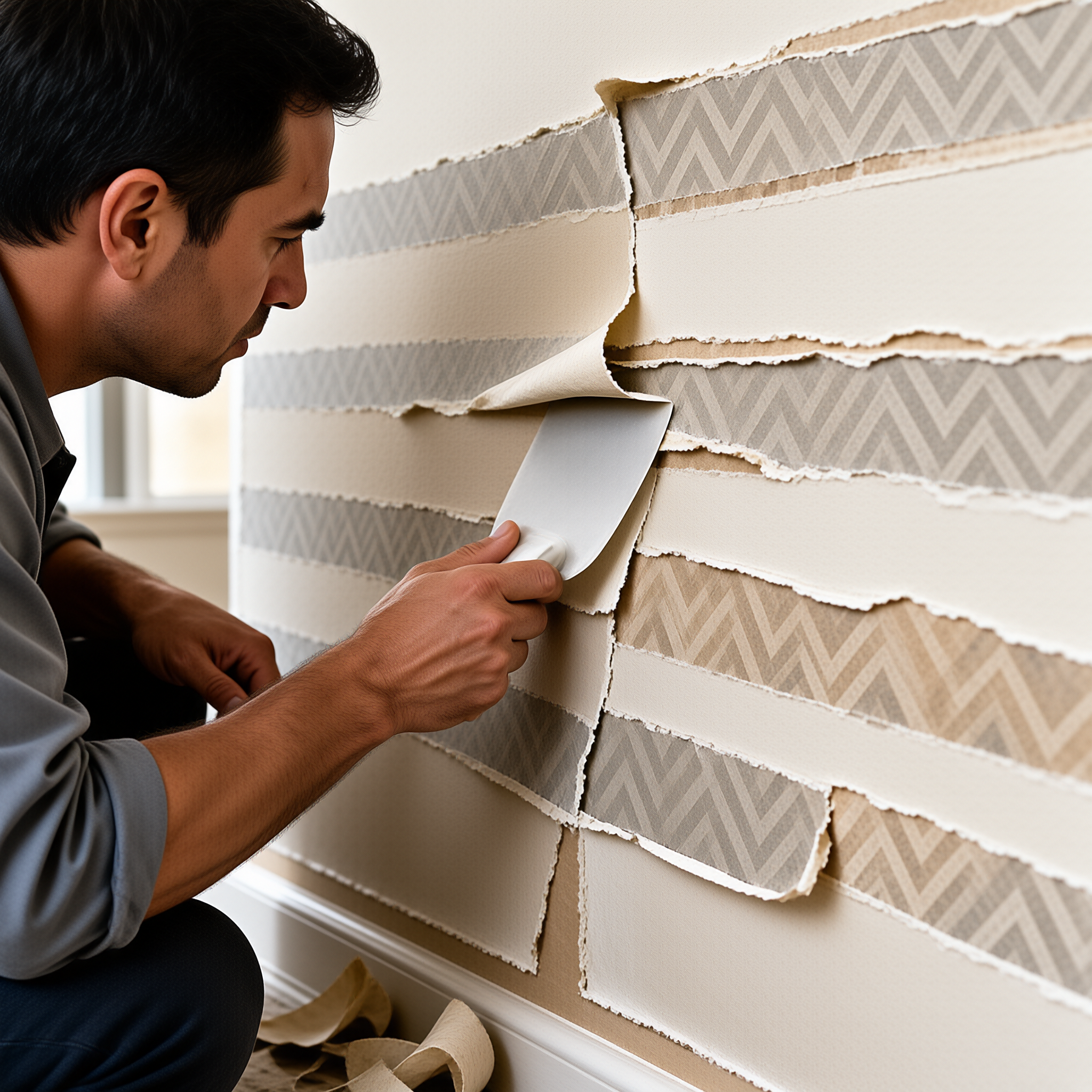
Lift the paper from a loose edge and peel with the scraper held almost flat.
Clear soft residue with warm water and a cloth before it dries.
Dwell time is where schedules slip. A painted surface may need two or three wetting cycles before the adhesive lets go, and each cycle should be short rather than flooding. If a section dries out, re-wet it, because dry adhesive drags and tears the paper.
Residue cleanup decides how the wall performs later. Leftover paste reads as a slick sheen and stops primer from bonding. Wipe with warm water and a microfiber cloth, keep pressure light on drywall, and change the water often.
Removing Multiple Layers of Painted Wallpaper
Multi-layer walls need sequencing. Take one layer at a time and note whether the backing is plain paper, vinyl, or a liner. Every layer you expose gets its own test patch and its own dwell time.
When a layer fights back, pause. Re-score if the surface allows it, extend the dwell, then try a small patch again. Removing multiple layers of painted wallpaper in one aggressive pass is how drywall gets ruined. The cost of patience is a few hours; the cost of a torn facing is a repair and a skim coat.
Brittle, heavily painted paper is a different case. If sheets crumble instead of peeling, professional removal often costs less than the repair work a failed attempt creates.
Drywall, Plaster, and Damage Limits: When to Stop
| Substrate | Warning sign | Stop point |
|---|---|---|
| Drywall | Facing darkens or fuzzes under moisture | Gypsum core visible; stop and plan a patch |
| Drywall | Facing delaminates in sheets | Broad area affected; skim or line before new wallcovering |
| Plaster | Surface softens and edges crumble | Reduce water use; consider professional removal |
| Plaster | Deep score marks or hollow sound under the scraper | Escalate to chemical remover or a specialist |
Drywall paper facing is thin and unforgiving. Once it tears, the fix is a patch, a skim, or a liner, and each of those changes your schedule. Small nicks are normal. A palm-sized delamination is not.
Drywall facing is roughly as thick as heavy paper, so any scraper edge will win a contest with it.
Plaster tolerates moisture differently. It can soften, and the keys holding it to the lath can fail. Keep water minimal, avoid deep scoring, and treat a hollow sound under the scraper as a stop signal rather than a challenge.
Lead Paint and Occupied-Building Safety
In buildings constructed before 1978, painted surfaces may contain lead. The wallpaper and the paint over it can both be part of that history. Test or arrange a professional assessment before any disturbance, and do not assume safety from the wallpaper's own age.
Dry sanding, grinding, and hard scraping generate dust that travels well beyond the work area. Keep children and pregnant occupants out of the space, contain the zone, and use lead-safe work practices where required. The EPA Renovation, Repair and Painting Program sets out the certification and work-practice rules for pre-1978 housing.
Ordinary wallpaper removal advice does not cover this. If lead is suspected, the sequence changes: assessment first, containment second, removal method last. Review the EPA RRP requirements before work begins, and keep the guidance on hand for the crew.
Should You Remove Painted Wallpaper or Skim and Line Over It?
Not always. If the wallpaper is firmly bonded, flat, and free of bubbles, a specialist may recommend a skim coat or a lining layer instead of full removal. If it is lifting, blistered, or multilayered, removal is usually the safer base for new wallcovering.
Compare the options honestly. Skimming gives a clean, uniform surface and hides minor damage, but it adds drying time and dust. Lining paper is quicker and cheaper, though it follows the profile underneath. Full removal gives the best inspection of the substrate and the most predictable adhesive performance. Our comparison of lining paper versus skim coat walks through that trade-off.
For commercial projects, the answer often depends on the wallcovering itself. Textured contract products tolerate a slight surface profile. Fine-gauge prints and custom murals do not. Review the specification against the prepared surface before the order is placed, and check custom wallcovering OEM and ODM service options when a project needs a material that suits the wall.
Primer and Adhesive Compatibility With the New Wallcovering
Primer ties the whole job together. It needs to suit the substrate, seal any remaining residue, and accept the adhesive specified for the new wallcovering. A primer that is too glossy or too soft can cause bond failure months later, when the building is occupied and the punch list is closed.
Confirm three things before ordering: the wall is dry and within the moisture limit, no sticky residue remains, and the selected wallcovering is rated for that substrate and adhesive system. VELORA's wallcovering product range is organised by material and application, which makes that cross-check faster.
Final Thoughts
Learning how to remove painted wallpaper is mostly learning when to slow down. Open the film, wet in small sections, scrape shallow, and stop at the first sign of substrate damage. Repair, skim, line, or escalate from there. A wall that stays sound and gets the right primer will hold new wallcovering far better than one that was stripped aggressively back to bare gypsum.
- How do I know if painted wallpaper is vinyl or paper-backed?
- Lift a corner and look at the back. A thin, uniform plastic film or a shiny face points to vinyl, while a fibrous matte back points to paper. Vinyl resists water, so it usually needs scoring before moisture will work.
- Can I use a wallpaper steamer on painted wallpaper over drywall?
- Sometimes, but test a hidden patch first. Steam can soften joint compound and drive moisture into the facing. Keep the pad moving, avoid soaking one spot, and stop if the drywall paper darkens or fuzzes.
- How do I remove wallpaper adhesive residue without damaging drywall?
- Re-wet the residue with warm water and wipe with a damp cloth using light pressure. A gel remover helps on stubborn patches. Stop before the facing fuzzes, then let the wall dry fully before priming.
- When should I stop DIY removal and call a professional?
- Stop when the gypsum core is exposed, plaster crumbles, the paper is brittle and multilayered, or lead paint is possible. At that point, repair and remediation cost more than continued scraping saves.
- Can new commercial wallcovering be installed over well-bonded painted wallpaper?
- Occasionally, if the surface is sound, flat, and sealed with a compatible primer, and the wallcovering and adhesive system are rated for it. Blistered, lifting, or multilayered paper is not a suitable base.
- What primer should be used after removing painted wallpaper before new wallcovering?
- After you learn how to remove painted wallpaper, use a primer matched to both the substrate and the new adhesive, typically a wallcovering-specific acrylic or bridging primer. Check the wallcovering manufacturer's specification rather than defaulting to a general-purpose paint primer. If the building predates 1978, review the EPA RRP program before disturbing painted surfaces.